
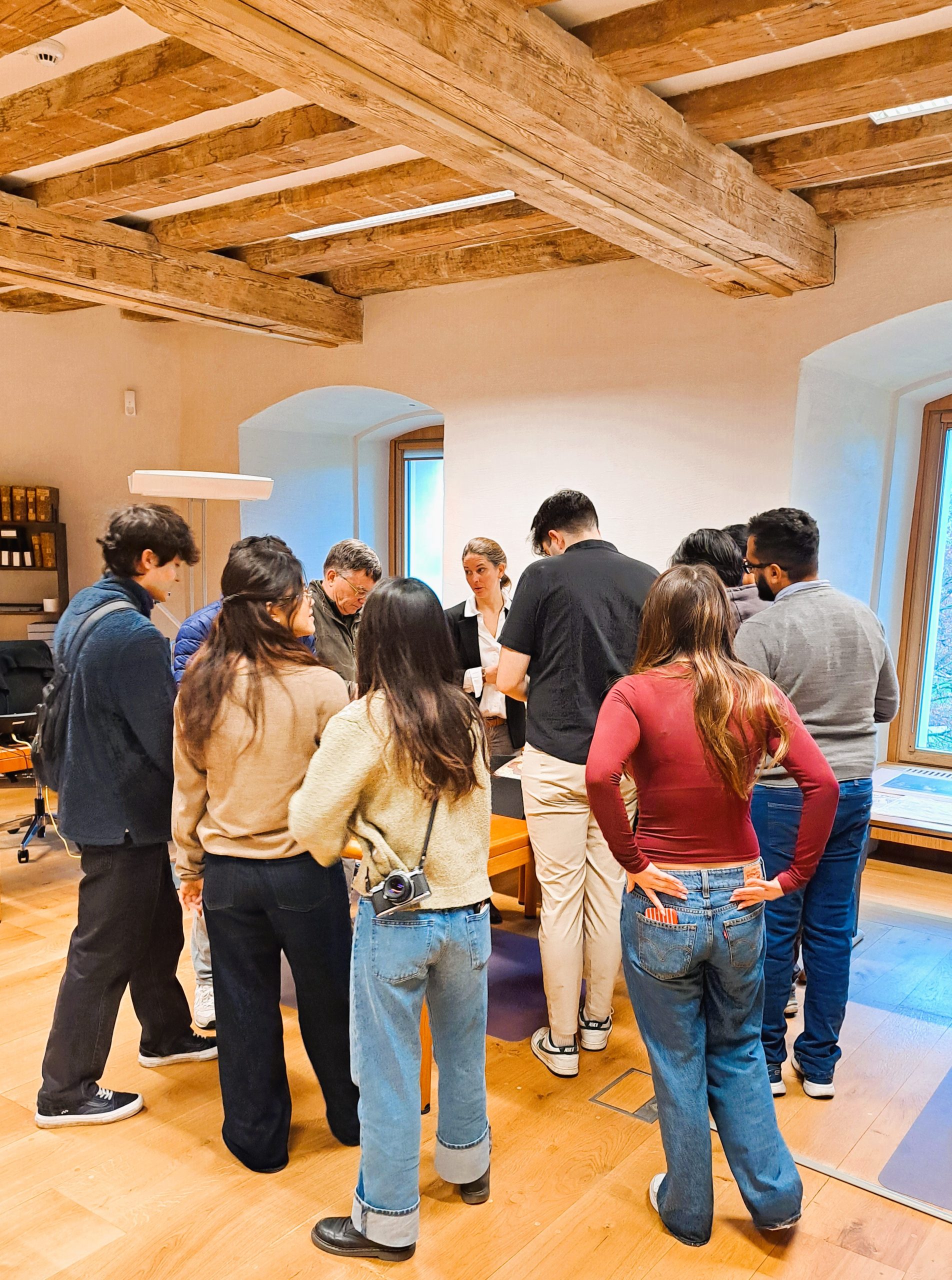
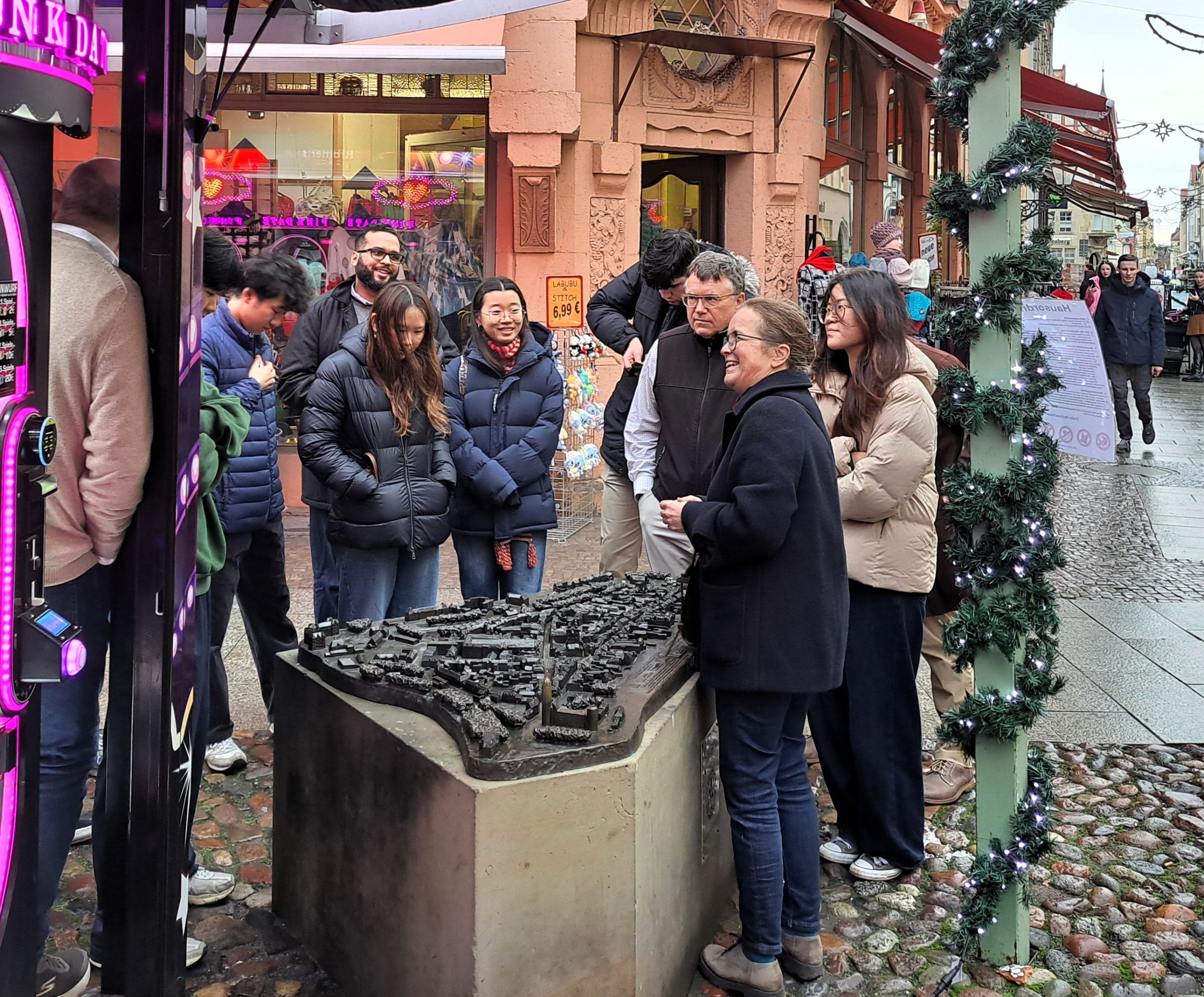
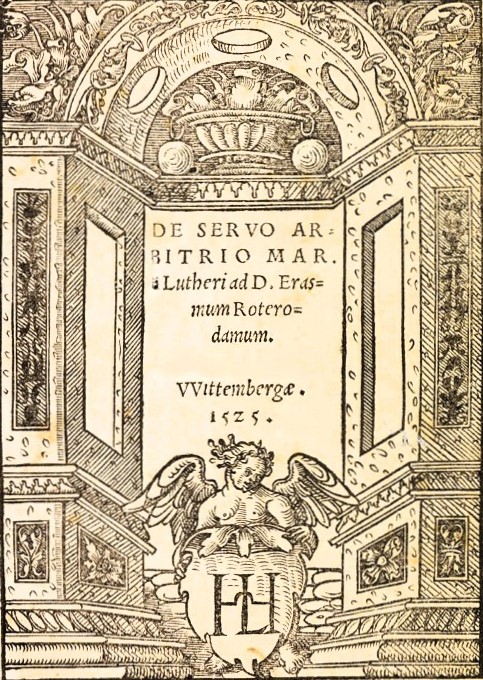
In December 2025, a group of students from Dartmouth College in Hanover, New Hampshire, came to Wittenberg for the fifth time to spend three days exploring the Reformation and its message for today. The group visited historical sites and worked through a programmatic text of Reformation theology: Martin Luther’s ‘On Bound Choice’ (De servo arbitrio). On the first day, city historian Dr. Hennen showed the group around, and on the third day, library director Dr. Hein gave a guided tour of the Reformation Research Library, presenting first editions of the books the group discussed in the Leucorea seminar room: Erasmus’ 1516 New Testament; his 1524 ‘De libero arbitrio’; the third volume of Luther’s 1524 Old Testament translation, which includes his preface to Ecclesiastes; Luther’s 1525 ‘De servo arbitrio’; and his 1526 lectures on Ecclesiastes.
WCRS director Andreas Stegmann introduced the group to the biblical humanism of Erasmus of Rotterdam and presented his program for renewing the church and society. Although the Wittenberg reformers shared much with biblical humanism, and Philip Melanchthon was a leading humanist himself, the Wittenberg Reformation broke with the humanist heritage in one respect. Regarding salvation, there is no cooperation between God and man; only divine agency counts. The group read and discussed selected passages from Luther’s ‘On Bound Choice’, comparing them to the humanist concept of Christianity, which emphasizes human agency. However, highlighting divine agency is not the only way Luther discusses free will: On the last day, the group examined Luther’s 1526 lectures on Ecclesiastes and discovered that total trust in an all-powerful God leads to living responsibly according to one’s God-given vocation in this world. Human agency is not to be negated; however, it should not be mistaken for the ability to control one’s own life. Rather than advocating for abstract determinism, Luther teaches justification by faith, which enables believers to love one another.
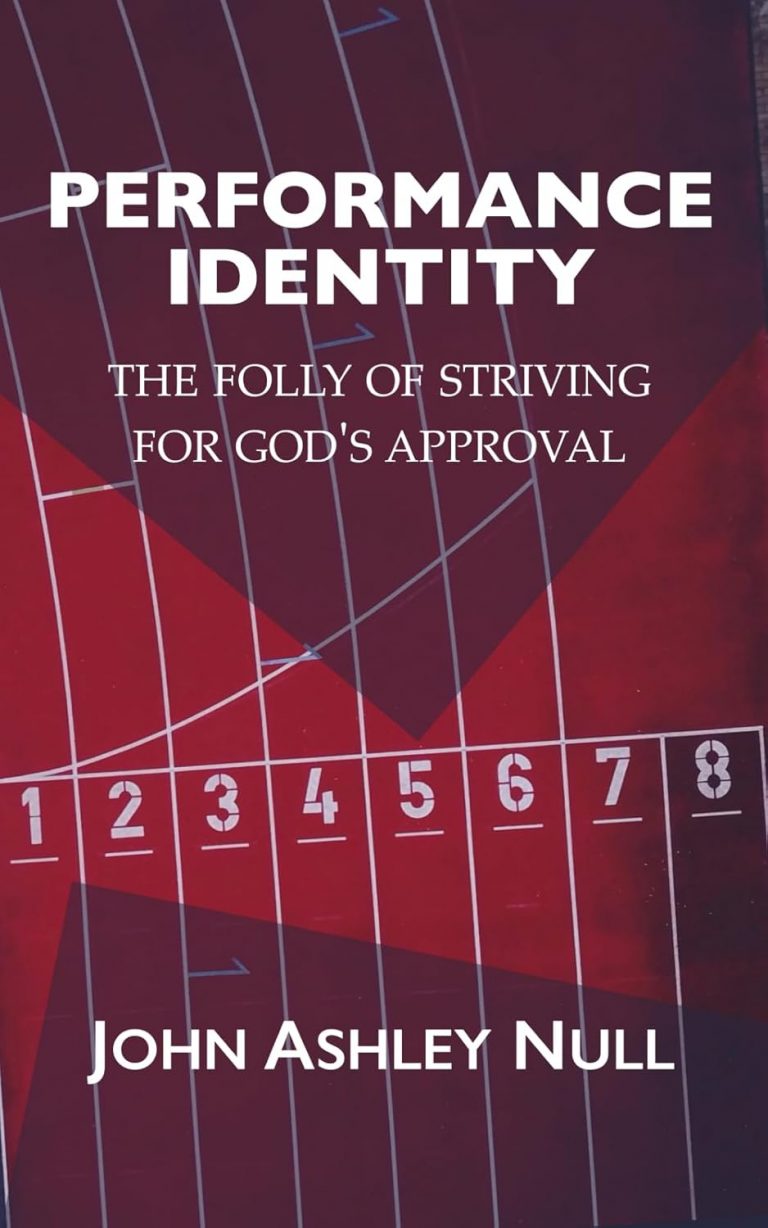

The group also met with Bishop Dr. Ashley Null, the Chairman of the Wittenberg Center board, to discuss modern performance-based identity and explore a relationship-based identity as an alternative that combines trust in divine agency with human responsibility.