
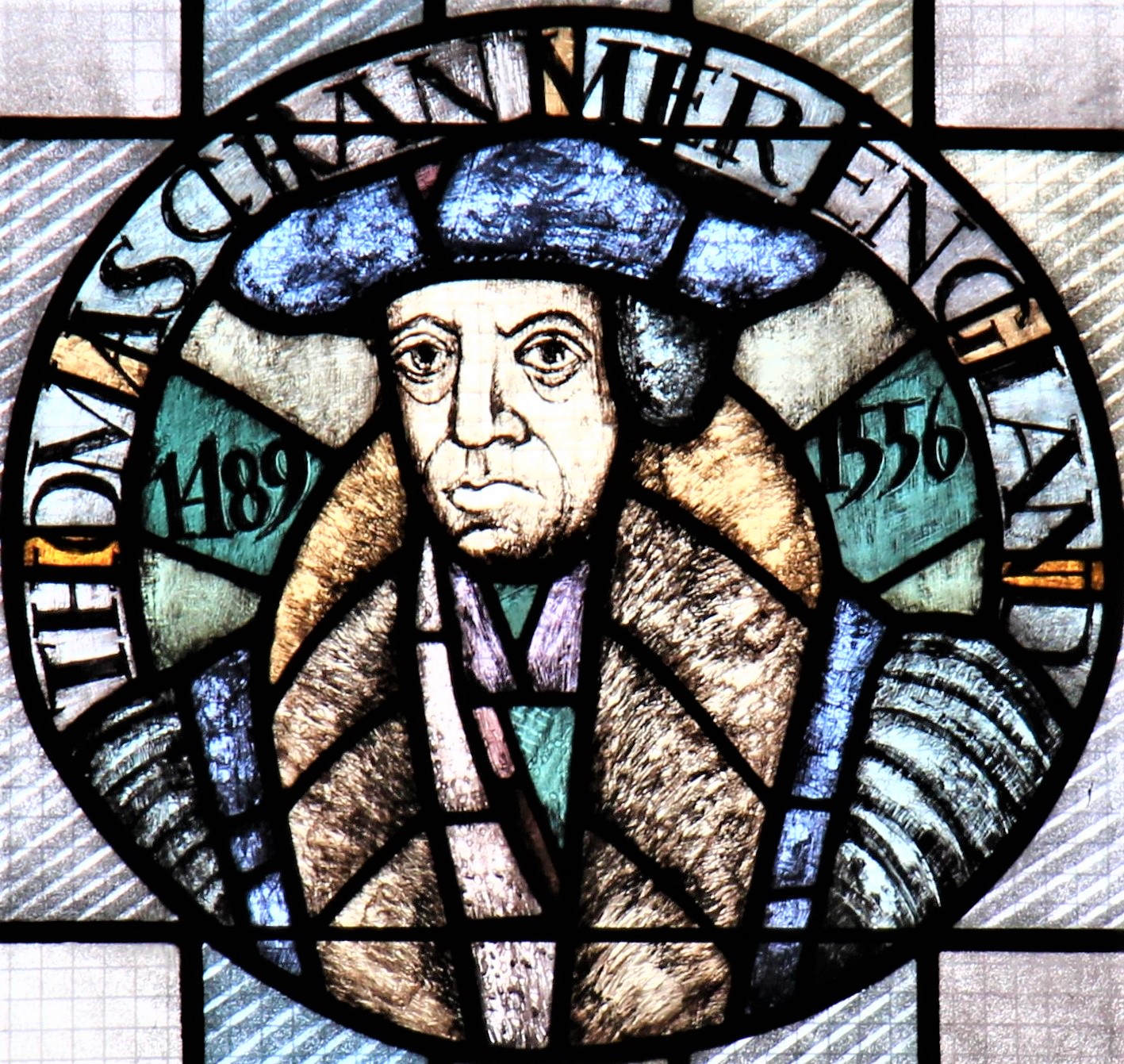
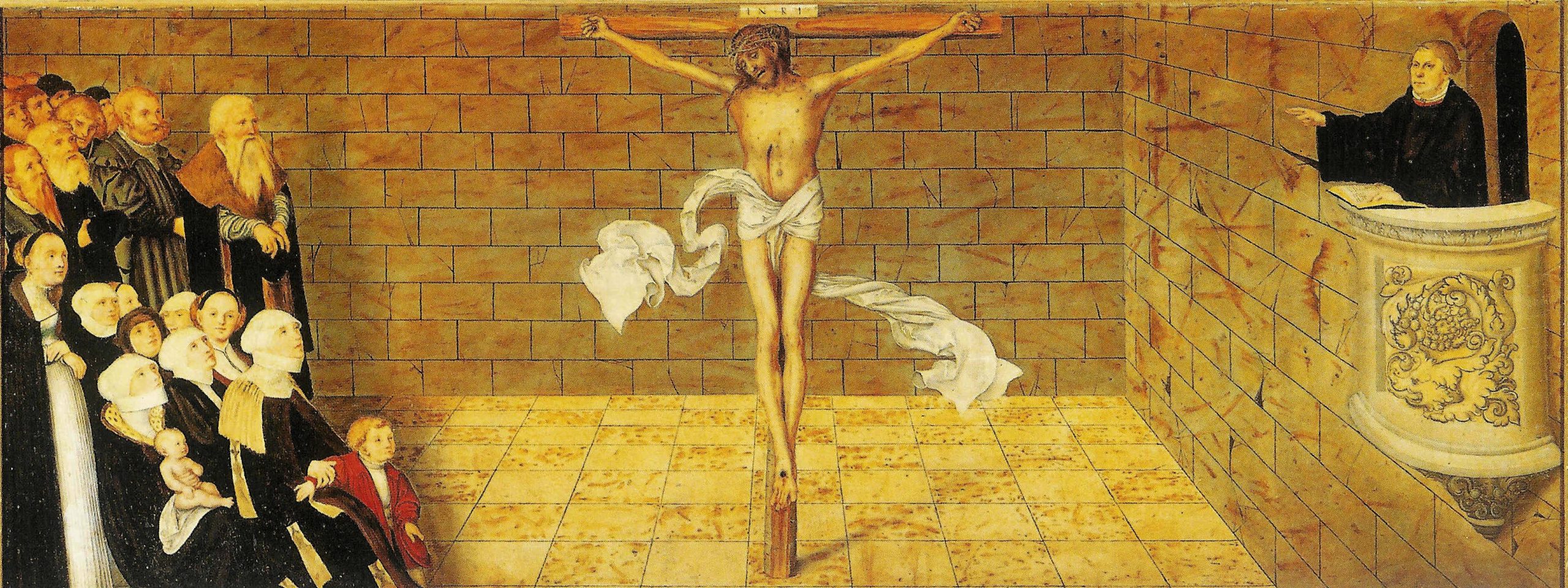
The focus on the English Bible continued into the fourth week. On Monday, August 3, Professor Jonathan Linebaugh from Beeson Divinity School discussed the shift in hermeneutics and exegesis from the late Middle Ages to the Reformation. He illustrated this change using Martin Luther as an example. Luther’s early lectures mirrored medieval hermeneutics. However, in the 1510s, his theology began to change. This occurred when Luther realized the distinction between law and gospel and began to focus on the comfort of the gospel. Thomas Cranmer adopted this Reformation hermeneutics of the Bible, implementing a focus on comfort in key texts of the English Reformation church. A close reading of William Tyndale’s 1526 preface to Paul’s Letter to the Romans revealed the extent to which Tyndale’s work was influenced by Luther, demonstrating that early English evangelicals adopted the Wittenberg perspective on the Bible.
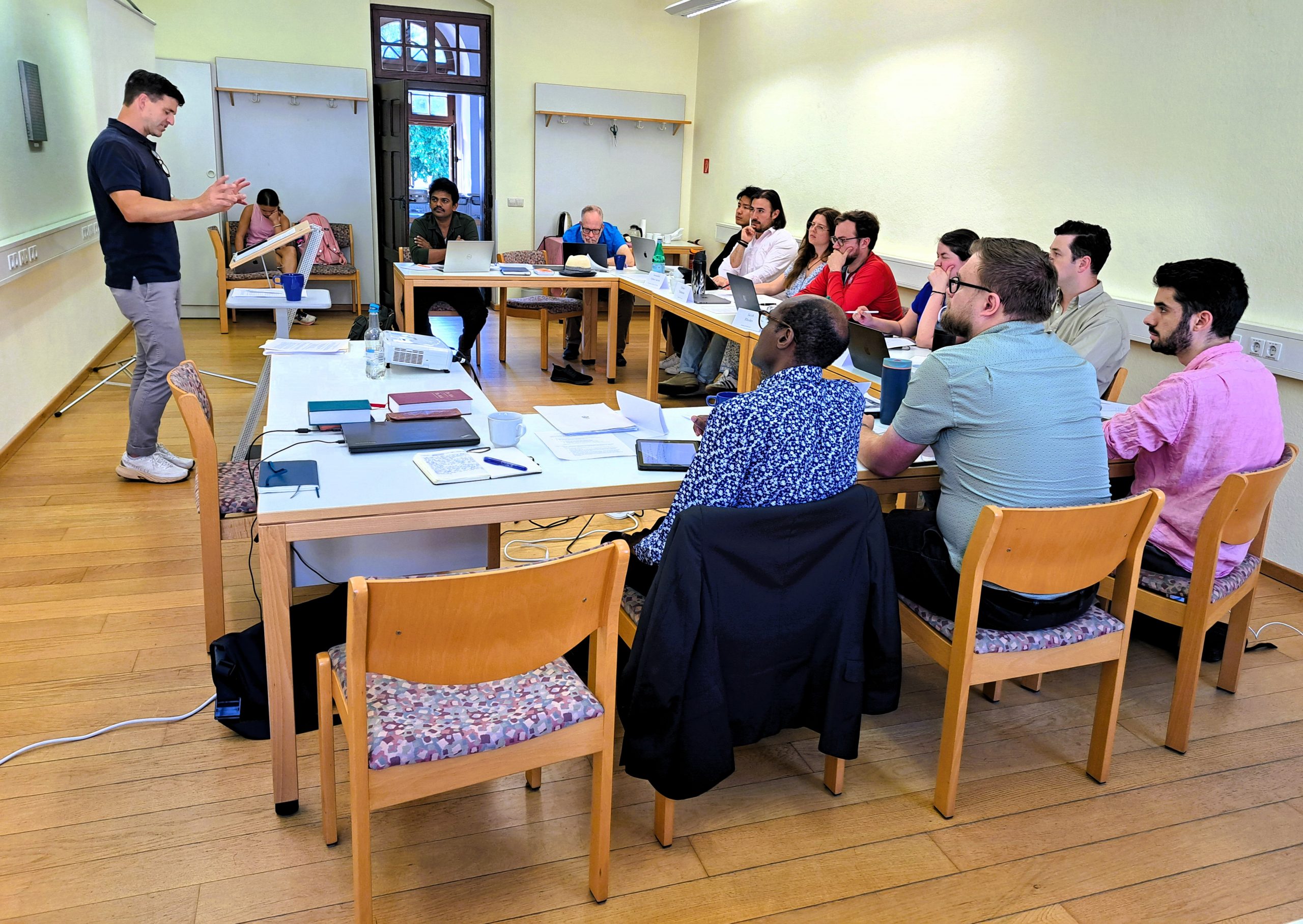
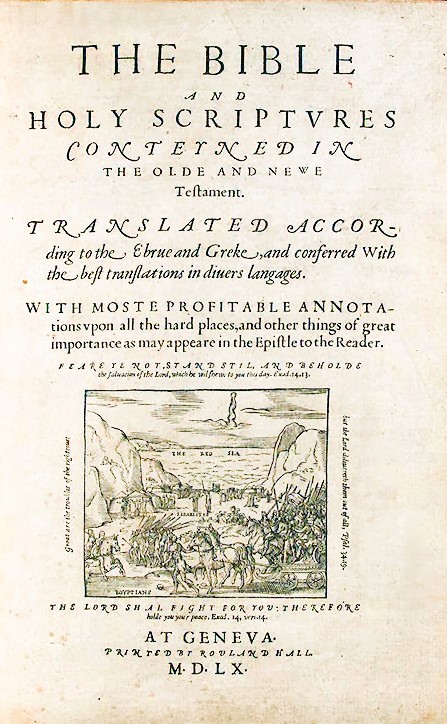
Tuesday was dedicated to the English Bible. Professor Bruce Gordon from Yale Divinity School examined the history of translating and transmitting the Bible in the fifteenth and early sixteenth centuries, focusing on the English Bible during Elizabeth’s reign, particularly the Geneva Bible. He also emphasized the importance of the Latin Bible for the Church and introduced the group to the influential Tremellius-Junius Bible. Together, the group analyzed the dedication of the Geneva Bible to Queen Elizabeth and the preface of the Tremellius-Junius Bible.
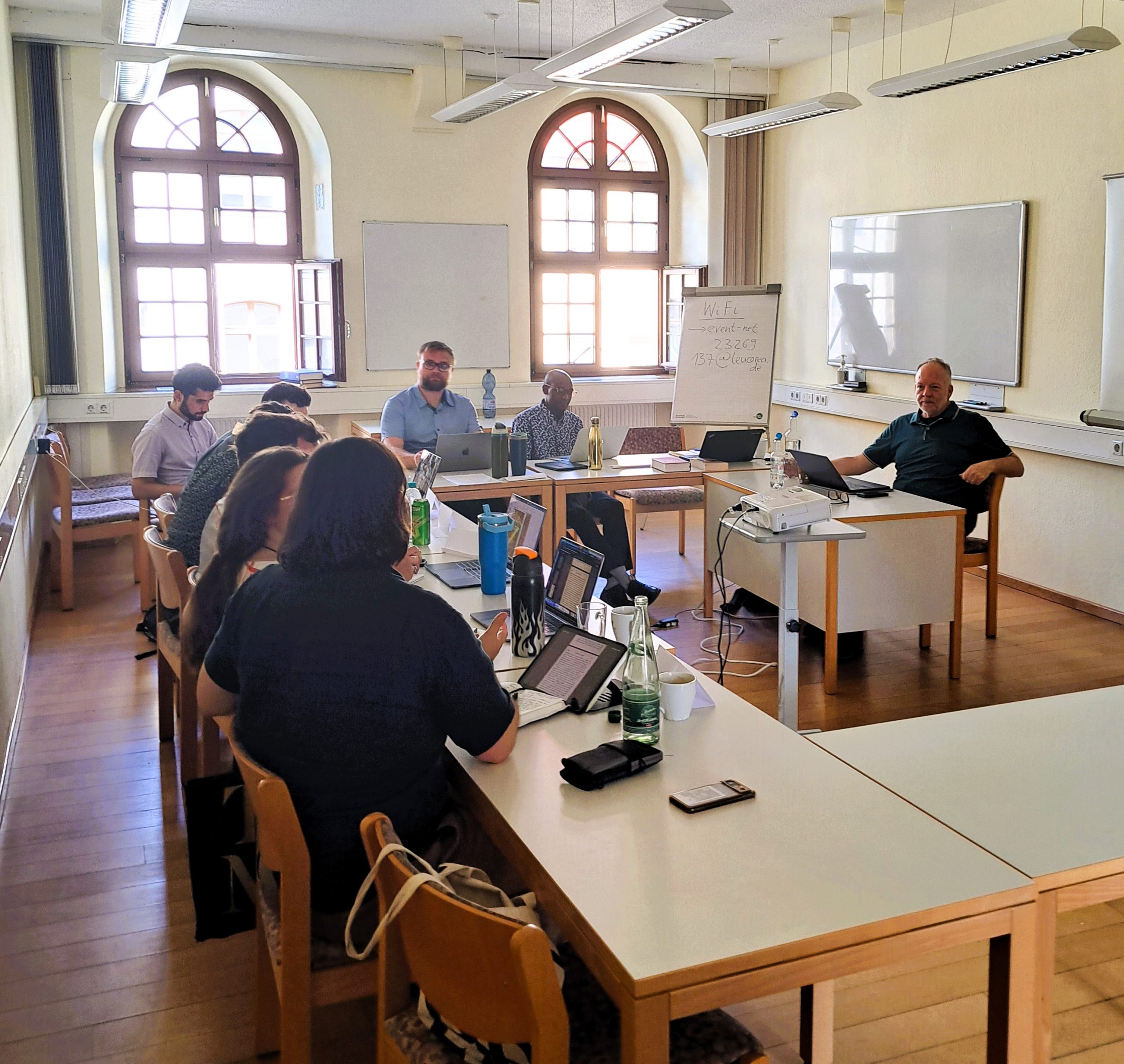
On Thursday, after the study day on Wednesday, Bruce Gordon presented his research on the global Bible. Following colonialism, the nineteenth and early twentieth centuries witnessed a surge in Bible translations in Africa and Asia. Examining India, China, and West Africa, we observe similar issues and solutions for making the Bible accessible by considering the cultural context and social systems. A letter from Robert Morrison exemplifies the challenges of translating the Bible into Chinese in the early nineteenth century, and Samuel Crowther’s diary illustrates the challenges of introducing the Bible to West Africa in the mid-nineteenth century.
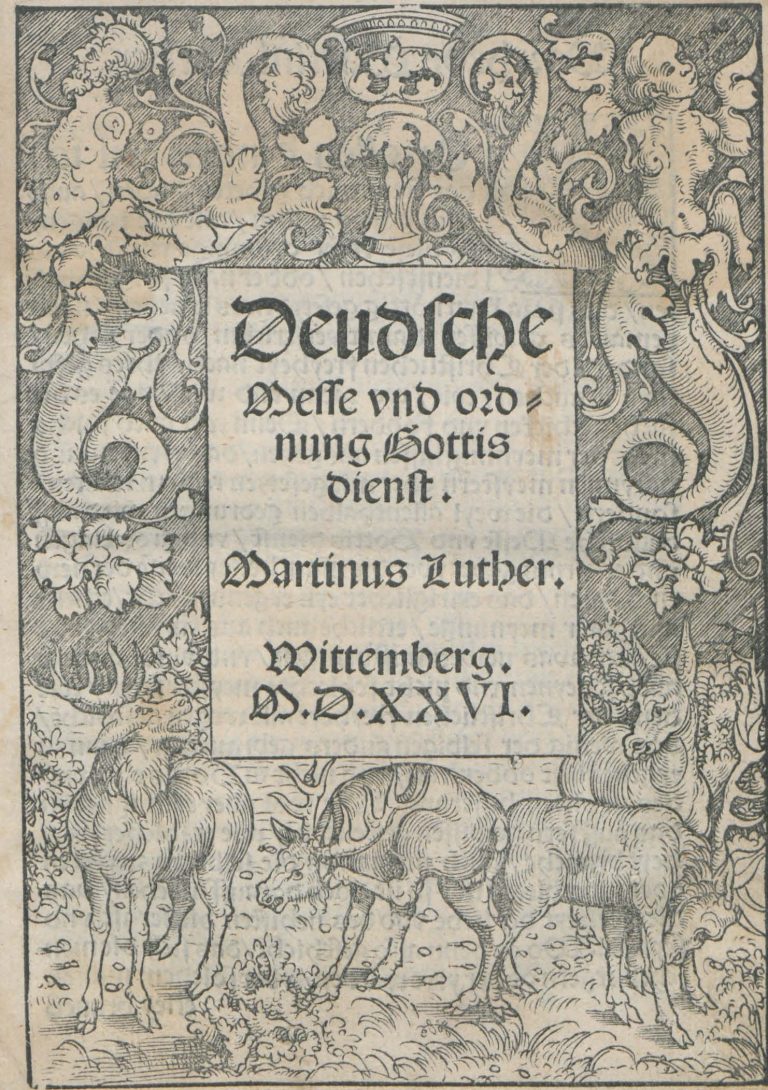
On Friday, WCRS director Andreas Stegmann took the group back to Wittenberg in the 1520s. Luther’s liturgical reforms culminated in the “German Mass” of 1526. Examining this text within the context of liturgical history highlights the Reformation’s emphasis on divine agency. The Bible plays a significant role as both the guiding principle of worship and the content of the liturgy. In fact, the liturgical life of a sixteenth-century town was driven by the desire to share the word of God with the people. Morning and evening prayers throughout the week, as well as Sunday worship services, therefore included a lot of public Scripture reading combined with preaching. Reading Luther’s 1523 “Concerning the Order of Public Worship” revealed that, before changing the Sunday morning worship service, Luther focused on morning and evening prayers to proclaim the word of God. The same is true for the English Reformation. The 1552 “Book of Common Prayer” shows that daily morning and evening prayers revolved around biblical texts and were intended to proclaim the gospel, just like Sunday worship services.
On Saturday, August 8, WCRS director Andreas Stegmann concluded the 2026 Summer Course. He summarized the results of the coursework with three distinctions. The Bible is, on the one hand, a book and, on the other hand, a message. When examining the Bible in the sixteenth century, both aspects must be considered. Andreas Hyperius’ introduction to Bible reading, published in Latin in 1561 and quickly translated into German, Dutch, and English, exemplifies the book aspect of the Bible by focusing on the book itself rather than its message. Thomas Cranmer’s “comfortable words,” which are part of the liturgy of the Lord’s Supper, exemplify the message aspect of the Bible. After the confession of sin and absolution, and before communion, these words clarify what is happening: Christ himself is the Comforter who is present here and now.
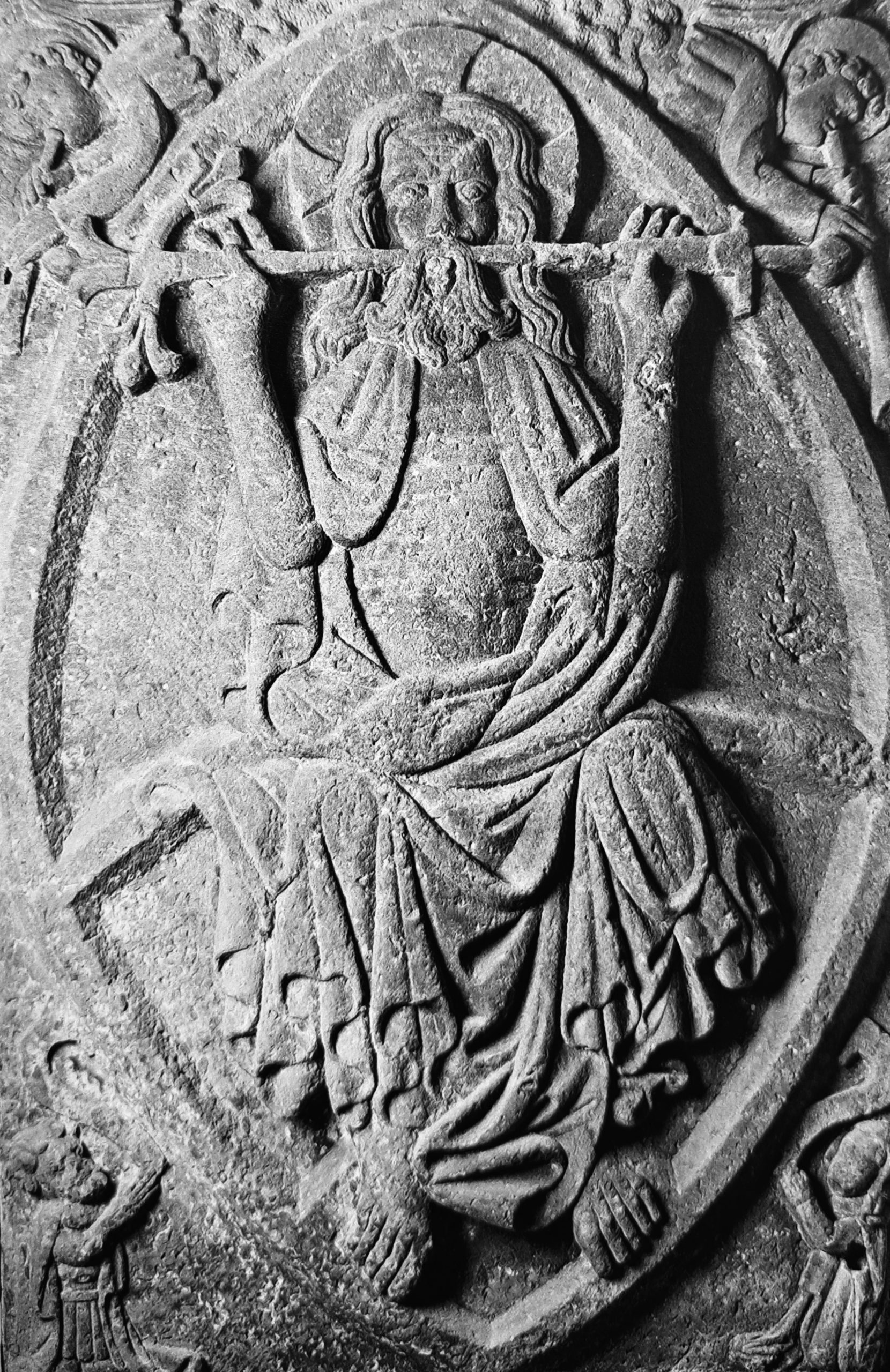
The Comfortable Words
“Come unto me, all that travail and be heavy laden, and I shall refresh you.” (Matthew 11:28)
“So God loved the world, that he gave his only begotten Son, to the end that all that believe in him should not perish, but have life everlasting.” (John 3:16)
“Hear also what saint Paul sayeth. This is a true saying, and worthy of all men to be received, that Jesus Christ came into the world to save sinners.” (1 Timothy 1:15)
“Hear also what Saint John sayeth. If any man sin, we have an advocate with the Father, Jesus Christ the righteous, and he is the propitiation for our sins.” (1 John 2:1–2)
The interplay between book and message must be understood in terms of religious continuity and change from the fifteenth to the seventeenth centuries, as well as the unity and diversity of the Reformation. The Summer Course made clear that the Reformation was influenced by late medieval piety and humanism, and that post-Reformation Protestantism continued this tradition. However, there were also significant changes, and the Reformation broke with tradition in many ways. This break first occurred in Wittenberg and then in Zurich, Strasbourg, Geneva, and England. A fundamental unity exists that allows us to speak of the Reformation in the singular, yet a great diversity also exists in the renewal of the church. The ‘Sister Reformations’ of the sixteenth century share a common interest in the Bible as both a book and a message. However, they also differ from each other in how they implemented this idea.
Four student fellow presentations were scheduled for the final week of the course. On Monday, Aogu Suzuki (St. Andrews University) presented his research on the “poor” in the Gospel of Luke. He explained why they seem to disappear after Luke 21 and how examining Reformation interpretations of Luke can contribute to New Testament research. On Tuesday, Jacob Rhodes (Boston School of Theology) introduced his research project on the relationship between Johann Arndt and Johann Gerhard. His project aims to embed their influential manuals for piety in Lutheran theology and confessional culture. On Thursday, David Ross (Wycliffe College, Toronto) presented his research project, which examines Calvin’s interpretation of Paul’s conversion and engages this Reformer in dialogue with current research on Paul. Emily Thompson (Beeson Divinity School) concluded the Student Fellows’ presentations by introducing her research on nineteenth-century Dutch theologian Herman Bavinck, his anthropology and ethics, and their relevance to the gender question.
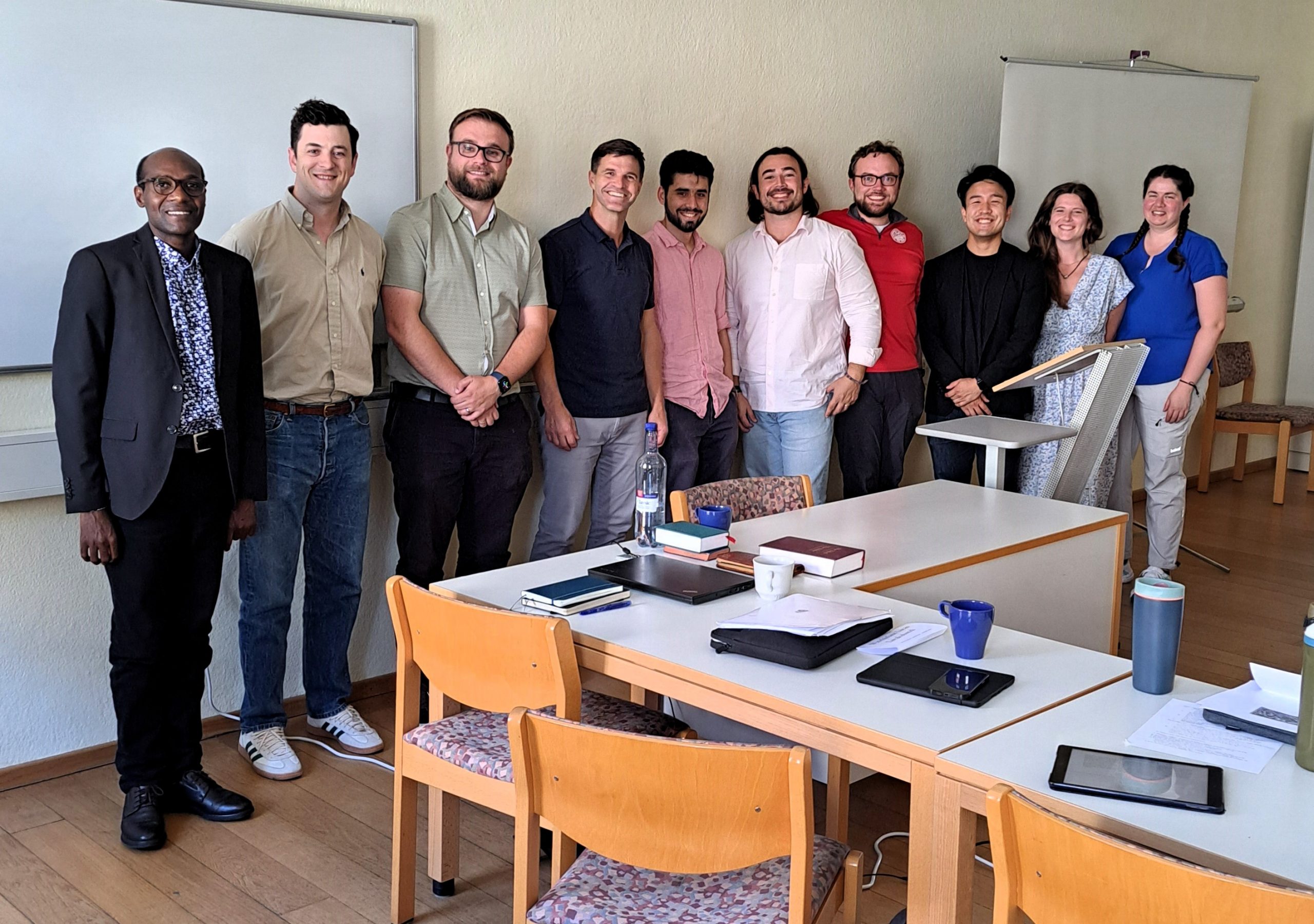
After spending four weeks in Wittenberg in the summer of 2026, we are looking forward to the 2027 Summer Course on Reformation and family. From mid-July to early August 2027, the sixth Wittenberg Summer Course will take place in Wittenberg, Germany. We invite ten student fellows pursuing doctoral research in history, theology, philosophy, literature, and related fields to spend four weeks at the heart of the Reformation and learn about the changes of the sixteenth century. The focus in 2027 will be on the family, exploring how the “house” changed during the Reformation and its role in religious socialization.