

In October 2026, the Wittenberg Center for Reformation Studies participated in the Sixteenth Century Conference for the fifth time. This year, the Center sponsored two panels and one roundtable in partnership with the Reformation Research Consortium (REFORC) and the Society for Reformation Research (SRR).
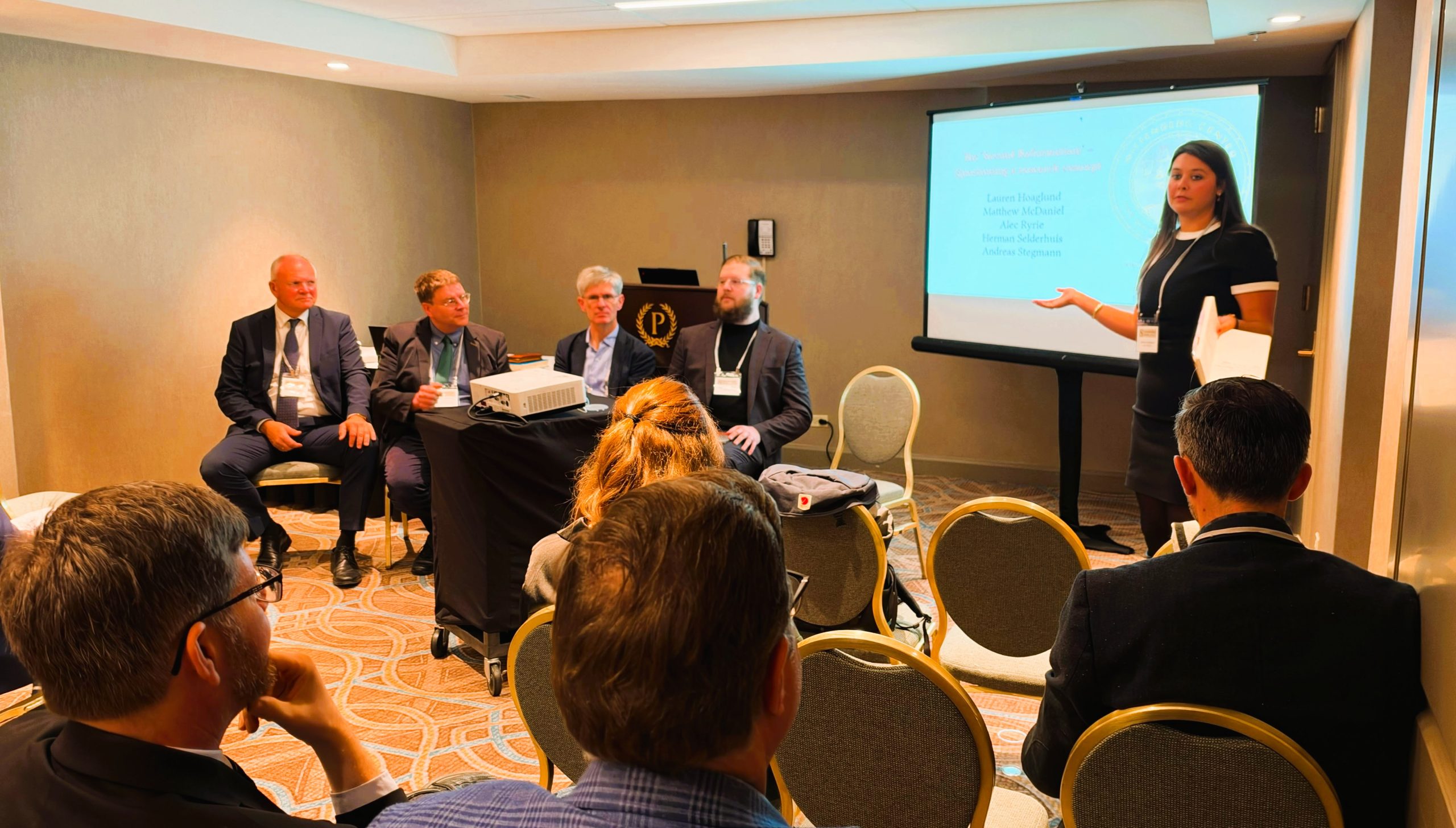
On Thursday morning, October 29, a roundtable discussed the research concept of the ‘Second Reformation’ and how to analyze and narrate the impact of the Geneva Reformation on church renewal across Europe. There was a consensus among the roundtable participants and the audience that the concept of a ‘Second Reformation’ is problematic and that the historiographical analysis of Calvin’s and Calvinism’s deep influence on sixteenth-century Christianity requires a more nuanced approach. We thank Prof. Alec Ryrie (Durham University), Prof. Herman Selderhuis (Theological University of Apeldoorn), and Matt McDaniel (Westminster Seminary California) for joining WCRS director Andreas Stegmann (Humboldt University Berlin). A special thank you goes to Lauren Hoaglund for chairing the roundtable.
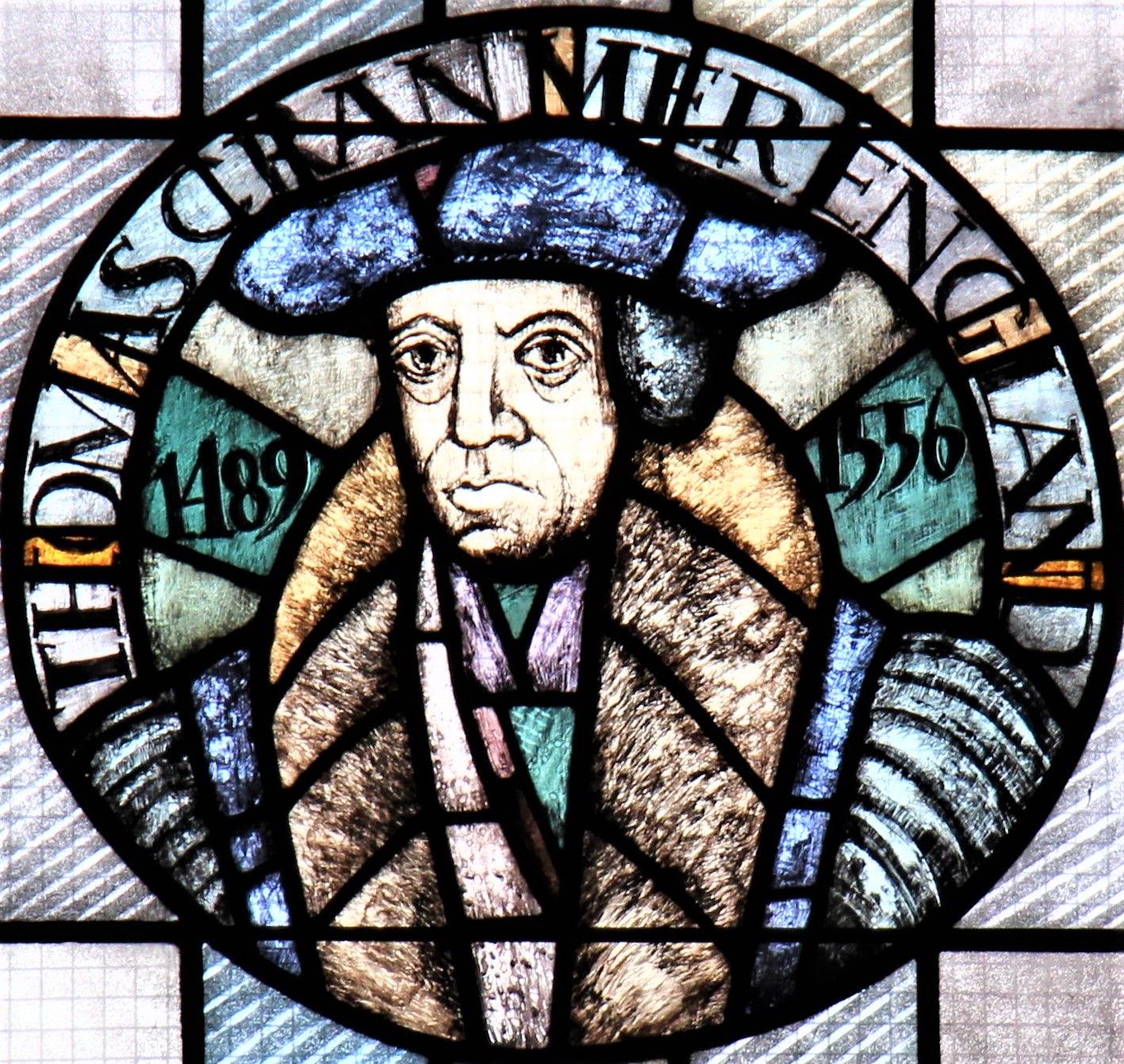
On Thursday afternoon, a panel examined the use of the Bible in the Book of Common Prayer. Andreas Stegmann introduced the audience to the importance of the oral proclamation of the Word of God in the Wittenberg Reformation, and to its implementation into the worship services through Bible reading and preaching. The English Reformation adopted this focus on the Bible as an oral proclamation, which it embedded in the Book of Common Prayer. Benjamin Crosby (McGill University, Montreal) analyzed the ‘comfortable words’ as biblical key texts in the Book of Common Prayer, tracing their origins in the Strasbourg Reformation and explaining their function in Cranmer’s liturgy for the Lord’s Supper. Drew Keane (Georgia Southern University) discussed the impact of the Book of Common Prayer on the laity, noting how it familiarized them with the Bible, enabling them to challenge the English church’s direction of their religious practices.
On Saturday morning, October 31, a panel presented new research on coping with suffering in the sixteenth and early seventeenth centuries. Lauren Hoaglund (Duke University) discussed how John Fisher’s writings during his captivity in the Tower of London in the mid-1530s demonstrate how a medieval Christian faced the challenge of persecution by relying on love. Andreas Stegmann discussed the alternative concept of the Wittenberg Reformation, analyzing sung versifications of Psalm 91 during times of plague, which emphasized faith. Jacob Rhodes (Boston University) compared two similar yet different approaches to coping with suffering from around 1600 by examining the works of two personally connected Lutheran writers, Johann Arndt and Johann Gerhardt, highlighting the complex interplay between the emotional experience of suffering and the external gift of salvation. A special thank you goes to Jack Arnold for chairing the panel.
On Friday and Saturday morning, the Wittenberg Center hosted its traditional breakfast for Wittenberg Student Fellows and scholars affiliated with the Center. We enjoyed connecting with colleagues and students and telling them more about our work. A big thank you goes to all who contributed to the Center’s activities, and to the conference organizers who did a great job.